

Learn more about us
Find our services, products, and lines of action that drive Profamilia.






Featured services
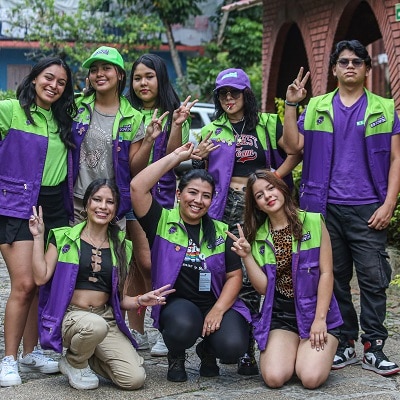
We work to help people fully enjoy their sexuality and exercise their reproductive autonomy. That’s why we offer the best care in our services:







Products
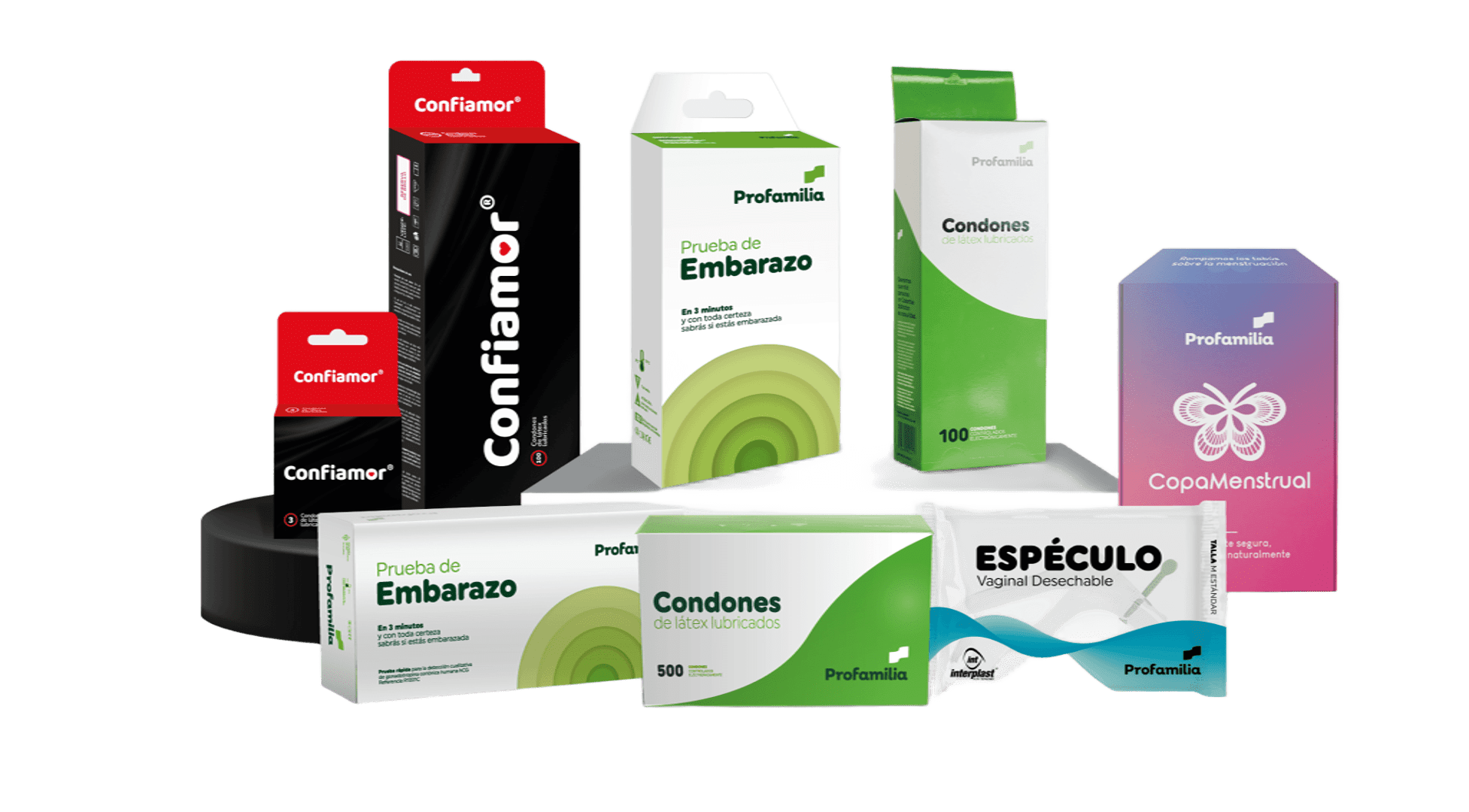
Decide, take care of yourself, and enjoy: discover our portfolio of contraceptives, condoms, tests, and more.
Click here
Social Projects
We work tirelessly to transform lives through social projects that prioritize the well-being of the most vulnerable communities.
Click here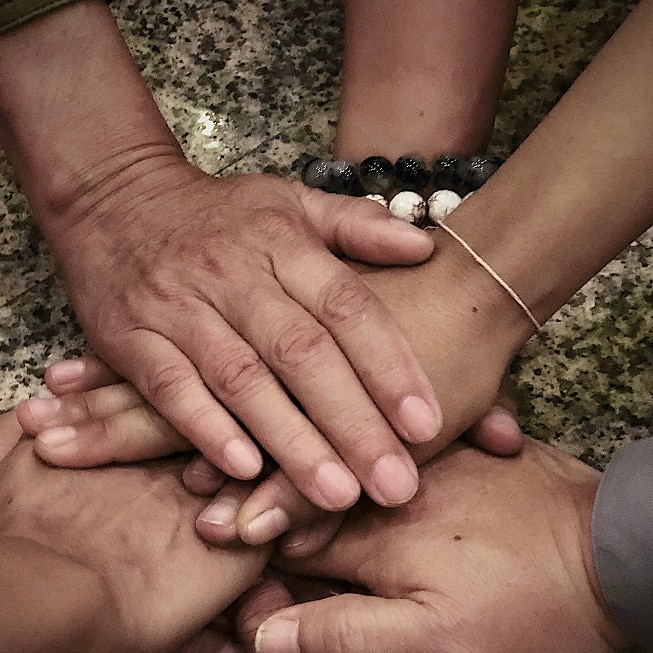

Get to know all our locations
Ver más sedes
Teusaquillo/Bogotá
Address
Calle 34 # 14 – 52
Phone
Opening
7:00 a.m. a 7:00 p.m.
7:00 a.m. a 4:30 p.m.

El Prado/Barranquilla
Address
Calle 59 N.° 50-17
Phone
Opening
7:00 a.m. a 8:00 p.m.
7:00 a.m. a 4:00 p.m.

Centro/Medellín
Address
Calle 54 N.°43 – 47
Phone
Opening
7:00 a.m. a 9:00 p.m.
7:00 a.m. a 1:00 p.m.
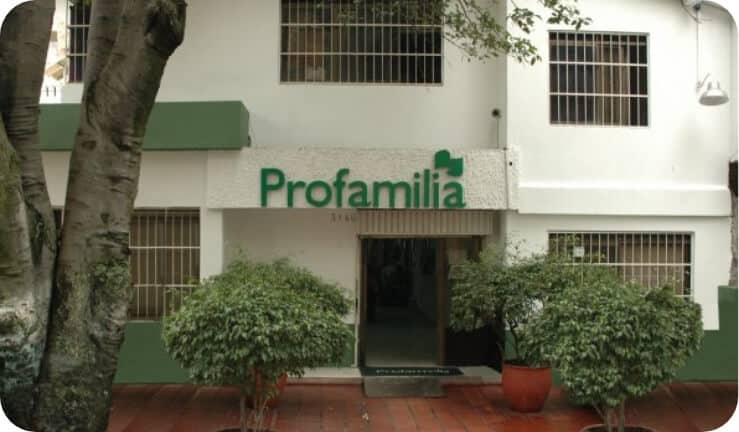
Tequendama/Cali
Address
Calle 7 N.° 41 – 34
Phone
Opening
7:30 a.m. a 5:00 p.m.
8:00 a.m. a 12:00 p.m.
Frequently Asked Questions
More Frequently Asked QuestionsIs legal and safe abortion performed only in emergency cases
No. These services must be available at all times. Departments and municipalities are required to ensure sufficient availability of services within the public health network so that access to abortion is real and care is provided in a timely manner.
In Colombia, since 2022 (Ruling C-055), abortion has been decriminalized up to the 24th week of pregnancy. This means you can exercise your right to access free, legal, and safe abortion services without having to meet any requirements or conditions. It’s your choice! However, if your pregnancy is beyond 24 weeks, the current regulations allow access to voluntary termination of pregnancy only if one of the three grounds established in Ruling C-355 of 2006 applies.
Thanks to these rulings, the Ministry of Health has included different abortion procedures in the national health benefits plan, and they are now covered by both the contributory and subsidized health systems. Even if women or pregnant people are not affiliated with any health plan or are migrants with irregular status, the State covers free access to these procedures, which are considered medical emergencies.
What are contraceptive methods and which ones exist?
Contraceptive methods are used to prevent pregnancy and are classified into three categories: folk, natural, and modern methods.
Is the condom 100% effective?
Its protection rate is 93% when used correctly. It fails only when it is not used properly.
Does a woman maintain her sexual desire after tubal ligation?
Yes. Tubal ligation involves cutting the fallopian tubes to prevent the egg from being fertilized. In fact, after the procedure, some women report a greater sexual interest because they feel confident knowing they can’t get pregnant.
What are the most common Sexually Transmitted Infections (STIs)
The most well-known are:
-
HIV/AIDS
-
HPV (Human Papillomavirus)
-
Syphilis
-
Gonorrhea
-
Chlamydia infection
-
Lymphogranuloma venereum
-
Soft chancre (chancroid)
-
Genital warts and papillomavirus infection
-
Pelvic inflammatory diseases
-
Genital herpes
-
Hepatitis B
-
Pubic lice (pediculosis)

Follow us on Instagram
Book an
Appointment
At Profamilia we have specialists ready to help you with everything you need during your medical appointments.
Click here